johnliza828@gmail.com
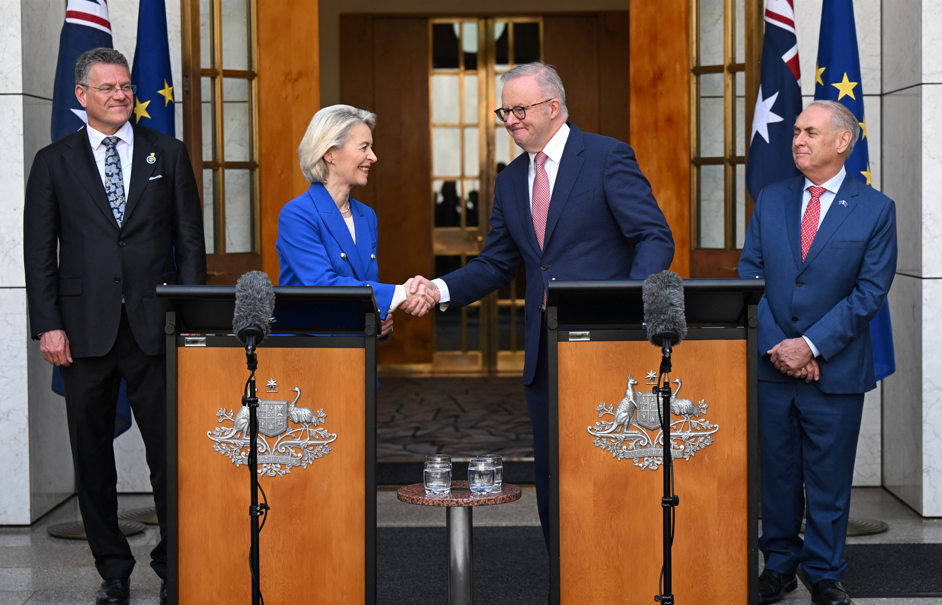
The idea of Pakistan stepping forward to host high-stakes talks between the United States and Iran feels, at first glance, both hopeful and complicated. Hopeful because diplomacy is always better than conflict. Complicated because history—especially in geopolitics—has a way of repeating itself when underlying tensions remain unresolved.
In recent months, signals from Islamabad suggest a willingness to act as a bridge between Washington and Tehran. But the real question isn’t whether Pakistan can host such talks. It’s whether the timing, trust levels, and geopolitical realities align enough to make those talks meaningful.
Let’s unpack this carefully, step by step.
Understanding the Current US-Iran Tensions
The relationship between the United States and Iran has been strained for decades, shaped by mistrust, ideological differences, and regional power struggles.
A Brief Historical Context
From the Iranian Revolution to the collapse of the Iran Nuclear Deal, tensions have fluctuated between cautious diplomacy and outright hostility. Each attempt at engagement has faced setbacks.
Why Tensions Are High Again
Today, the friction stems from multiple fronts:
- Nuclear program concerns
- Regional proxy conflicts
- Sanctions and economic pressure
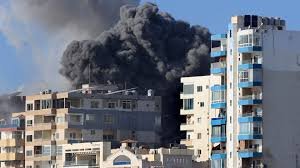
- Military posturing in the Middle East
These overlapping issues make negotiations incredibly complex.
Pakistan’s Offer: Strategic Move or Diplomatic Gamble?
Pakistan’s willingness to host talks is not just about peace—it’s also about positioning itself globally.
Why Pakistan Wants to Mediate
For Islamabad, mediation offers several benefits:
- Strengthening global diplomatic relevance
- Improving ties with both Washington and Tehran
- Showcasing neutrality in a polarized region
It’s a classic case of diplomacy serving both peace and national interest.
Timing of the Proposal
The proposal comes at a moment when:
- Regional tensions are rising
- Backchannel diplomacy is quietly ongoing
- Global powers are seeking stability in the Middle East
This timing could either be perfect—or premature.
Pakistan’s Diplomatic Track Record
To understand whether this initiative can succeed, we need to look at Pakistan’s past.
Past Mediation Efforts
Pakistan has previously played roles in:
- Facilitating talks in Afghanistan
- Acting as a communication channel between rival states
- Supporting peace efforts in Muslim-majority regions
While not always successful, these efforts show experience.
Strengths Pakistan Brings
- Strategic geographic position
- Strong ties with both the US and Iran
- Military and diplomatic credibility
These factors make Pakistan a plausible mediator.
Key Stakeholders in the Potential Talks
Diplomacy is never just about two countries—it involves a network of stakeholders.
United States Perspective
The US seeks:
- Limits on Iran’s nuclear program
- Reduced regional influence of Iran
- Security assurances for allies
Washington’s approach is often shaped by internal politics as well.
Iran’s Position
Iran, on the other hand, demands:
- Sanctions relief
- Recognition of its regional role
- Guarantees against future US withdrawal from agreements
Trust remains the biggest hurdle.
Pakistan’s Role
Pakistan would likely act as:
- Neutral host
- Facilitator of dialogue
- Confidence-building intermediary
But neutrality will be tested under pressure.
Can Pakistan Balance Both Sides?
Balancing relationships with both Washington and Tehran is easier said than done.
Pakistan-US Relations
Relations with the US have seen ups and downs, especially post-Afghanistan. However, cooperation still exists in areas like security and trade.
Pakistan-Iran Relations
Pakistan shares:
- A long border with Iran
- Cultural and religious ties
- Economic cooperation opportunities
This dual relationship is both an advantage and a risk.
Challenges Facing the Peace Initiative
Even the best intentions can fail due to practical obstacles.
Lack of Trust
Decades of mistrust between the US and Iran cannot be erased overnight.
Domestic Politics
Leaders in both countries face internal pressures:
- US elections and policy shifts
- Iranian political factions and hardliners
These factors often derail negotiations.
Regional Complications
Countries like:
- Israel
- Saudi Arabia
have strong stakes in the outcome and may influence the process.
Comparison: Previous Mediation Efforts vs Pakistan’s Proposal
| Factor | Previous Mediators | Pakistan’s Proposal |
|---|---|---|
| Neutrality | Mixed | Relatively balanced |
| Regional Influence | Limited | Strong regional presence |
| Trust Level | Moderate | Moderate but improving |
| Strategic Location | Varies | Highly strategic |
This comparison shows Pakistan has certain advantages—but not guarantees.
Potential Benefits if Talks Succeed
If successful, the impact could be far-reaching.
Regional Stability
Reduced tensions could:
- Lower conflict risks
- Improve security in the Middle East
- Stabilize global energy markets
Economic Opportunities
- Trade routes could expand
- Sanctions relief may boost Iran’s economy
- Pakistan could benefit from increased connectivity
Diplomatic Recognition
Pakistan could gain global recognition as a peace broker.
Risks if Talks Fail
Failure carries its own consequences.
Increased Tensions
A failed initiative could:
- Escalate hostility
- Lead to further sanctions or military actions
Diplomatic Setback for Pakistan
Pakistan’s credibility could take a hit if talks collapse publicly.
Regional Instability
Failure might embolden hardliners across the region.
Pros and Cons of Pakistan Hosting Talks
Pros
- Neutral ground for dialogue
- Strong ties with both parties
- Strategic location
Cons
- Limited influence over final outcomes
- Risk of diplomatic backlash
- Internal and external pressure
Real-World Insight: Why Mediation Is So Difficult
I once spoke with a policy analyst who described diplomacy like “trying to fix a broken mirror without touching the cracks.” That’s exactly what US-Iran relations look like—every move risks making things worse.
Mediation isn’t just about bringing parties to a table. It’s about timing, trust, and the willingness to compromise—three things rarely aligned in geopolitics.
What Experts Are Saying
Analysts believe:
- Backchannel talks are already happening
- Pakistan’s role could formalize discussions
- Success depends on US flexibility and Iranian assurances
In short, Pakistan can host—but it cannot force outcomes.
People Also Ask (PAA)
Can Pakistan really mediate between the US and Iran?
Yes, Pakistan has diplomatic ties with both countries, making it a viable mediator, though success depends on broader geopolitical factors.
Why are US-Iran relations so tense?
Tensions stem from nuclear concerns, sanctions, regional conflicts, and decades of mistrust.
What role does Pakistan play in global diplomacy?
Pakistan often acts as a regional mediator and maintains strategic relationships with major global powers.
Have US-Iran talks succeeded before?
Yes, the 2015 nuclear deal was a major success, though it later collapsed after US withdrawal.
SEO-Focused Insights (For Readers & Publishers)
If you’re creating content around this topic, here are high-ranking keyword ideas:
- Pakistan US Iran talks
- US Iran peace negotiations
- Middle East diplomacy 2026
- Pakistan mediation role
- Iran nuclear deal future
These keywords align with search intent and trending global interest.
Frequently Asked Questions (FAQ)
1. What is Pakistan’s main goal in hosting these talks?
Pakistan aims to enhance its diplomatic standing while promoting regional stability.
2. Are the US and Iran willing to negotiate?
Both sides show conditional willingness, but trust issues remain significant.
3. Could this lead to a new nuclear deal?
It’s possible, but only if both sides agree on strict terms and guarantees.
4. How does this affect global politics?
Successful talks could reshape Middle East dynamics and reduce global tensions.
5. Is Pakistan neutral in this situation?
Pakistan maintains balanced relations, but complete neutrality is always challenging.
Final Verdict: Can This Peace Push Work?
The honest answer? It might—but only under the right conditions.
Pakistan’s offer to host talks is a positive step, signaling that diplomacy is still alive in a world often dominated by conflict headlines. But hosting talks is the easy part. Building trust, aligning interests, and making compromises—that’s where the real challenge lies.
If both Washington and Tehran are genuinely ready to engage, Pakistan could play a meaningful role. If not, this initiative may join the long list of well-intentioned but unsuccessful diplomatic efforts.
Still, in geopolitics, even small steps matter. Sometimes, just getting two adversaries into the same room is the beginning of something bigger.
And maybe—just maybe—that’s how peace starts.