johnliza828@gmail.com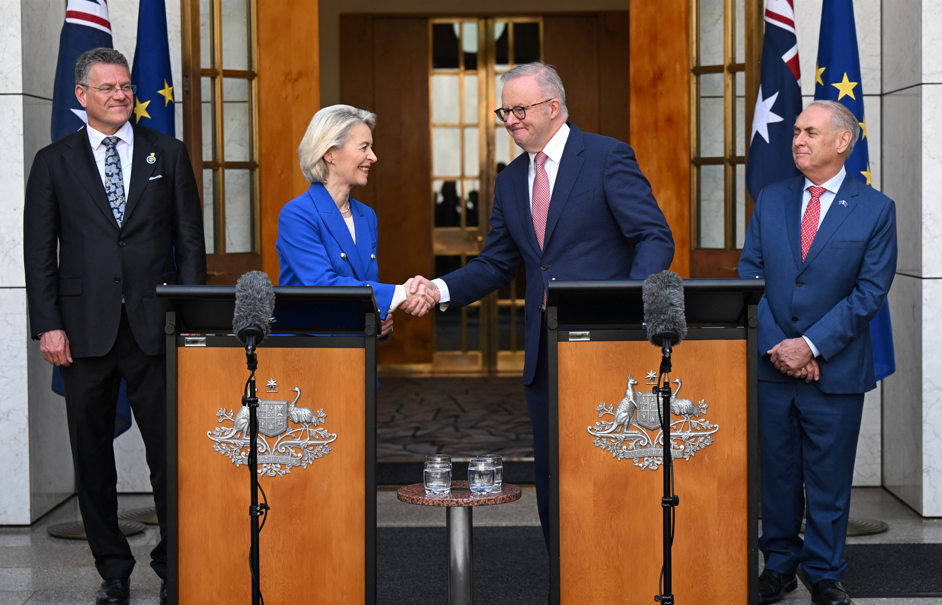
When people hear the term “rare earths,” it sounds like something buried deep in a science textbook—abstract, distant, maybe even irrelevant. But here’s the reality: the phone in your hand, the electric car you admire, even modern defense systems—all rely heavily on these minerals. And for years, one country has dominated their supply: China.
Now, a major shift is underway. Australia and the European Union have sealed a strategic trade deal aimed at reducing reliance on China’s rare earth supply chain. This isn’t just another agreement buried in policy papers—it’s a move that could reshape global trade, geopolitics, and the future of clean technology.
Let’s unpack what’s happening, why it matters, and how it could affect everything from electric vehicles to global power dynamics.
What Are Rare Earth Elements and Why Do They Matter?
Rare earth elements (REEs) are a group of 17 minerals used in high-tech manufacturing, energy systems, and defense technologies.
They’re not actually “rare” in terms of availability—but economically viable deposits are limited, and refining them is complex and environmentally demanding.
Key Uses of Rare Earth Elements
Rare earths are the backbone of modern innovation, quietly powering industries that define our future.
- Electric vehicle motors
- Wind turbines
- Smartphones and electronics
- Military systems (radar, missiles)
- Medical imaging equipment
Why the World Depends on China for Rare Earths
For decades, China has built a near-monopoly in rare earth mining, processing, and supply chains.
It controls a significant portion of global refining capacity, giving it leverage over industries worldwide.
How China Became Dominant
China’s rise in this sector wasn’t accidental—it was strategic and long-term.
- Heavy government investment
- Lower environmental regulations (historically)
- Control over processing technology
- Competitive pricing strategies
The Australia-EU Trade Deal Explained
The new agreement between Australia and the European Union focuses on strengthening supply chains for critical minerals, particularly rare earths.
It aims to ensure a stable, diversified, and secure supply independent of Chinese dominance.
Core Objectives of the Deal
This partnership goes beyond simple trade—it’s about resilience and future-proofing.
- Increase rare earth exports from Australia to Europe
- Develop joint processing and refining capabilities
- Reduce supply chain vulnerabilities
- Support green energy transitions
Why Australia Is a Key Player
Australia is already one of the world’s leading producers of rare earth elements, making it a natural partner for Europe.
It offers political stability, established mining infrastructure, and growing processing capacity.
Advantages of Australia’s Rare Earth Sector
Australia brings more than just resources—it brings reliability.
- Transparent regulatory environment
- Strong environmental standards
- Strategic alliances with Western nations
- Expanding mining projects
Why the European Union Needs This Deal
The European Union has ambitious climate and technology goals—but lacks sufficient domestic rare earth resources.
This creates a dependency that policymakers are eager to reduce.
Europe’s Strategic Vulnerabilities
Europe’s reliance on external suppliers has been a wake-up call.
- Heavy dependence on imports
- Limited refining infrastructure
- Growing demand from EV and renewable sectors
The Geopolitical Angle: More Than Just Trade
This deal isn’t just about minerals—it’s about influence, power, and global positioning.
Reducing reliance on China changes the balance of economic leverage.
Strategic Implications
This agreement signals a broader shift in global alliances.
- Strengthening Western supply chains
- Reducing geopolitical risk
- Increasing economic independence
Comparison: China vs Australia-EU Supply Chain
| Factor | China-Dominated Supply | Australia-EU Partnership |
|---|---|---|
| Control | Centralized | Diversified |
| Transparency | Limited | High |
| Political Risk | High | Lower |
| Environmental Standards | Variable | Strict |
| Supply Stability | Strategic leverage | Cooperative |
Pros and Cons of the Australia-EU Deal
Pros
- Reduces dependency on a single supplier
- Enhances supply chain security
- Supports green energy transition
- Strengthens geopolitical alliances
Cons
- Higher production costs
- Time needed to build infrastructure
- Environmental challenges in mining
- Potential trade tensions with China
Impact on Clean Energy and Technology
If you’re wondering how this affects everyday life—this is where it gets real.
Rare earths are critical for renewable energy and electric mobility.
Electric Vehicles and Renewable Energy
This deal could accelerate Europe’s transition to sustainable energy.
- More stable supply for EV production
- Increased wind turbine manufacturing
- Reduced risk of supply disruptions
A Real-World Perspective: Why This Matters to You
Let me put this into a simple scenario.
Imagine you’re planning to buy an electric car in the next few years. If rare earth supplies are unstable, prices go up. Production slows down. Waiting times increase.
Now flip that: a stable supply chain means better prices, faster production, and more innovation.
That’s the ripple effect of this deal.
Supply Chain Resilience: Lessons from Recent Crises
The world learned hard lessons from supply chain disruptions—whether during pandemics or geopolitical tensions.
Diversification is no longer optional; it’s essential.
Key Takeaways for Global Trade
- Over-reliance on one supplier is risky
- Strategic partnerships are increasing
- Localized production is gaining importance
People Also Ask (PAA)
What are rare earth elements used for?
Rare earth elements are used in electronics, renewable energy systems, electric vehicles, and defense technologies.
Why is China dominant in rare earths?
China invested heavily in mining and processing infrastructure, gaining control over global supply chains.
How will the Australia-EU deal affect prices?
In the short term, costs may rise due to new infrastructure, but long-term stability could reduce price volatility.
Is this deal environmentally friendly?
It aims to follow stricter environmental standards compared to traditional mining practices.
SEO Insights for Publishers and Bloggers
If you’re building a content site like NewsDecode.site, this topic is highly rankable and valuable.
High-Intent Keywords
- Australia EU rare earth deal
- reduce reliance on China rare earths
- rare earth supply chain Europe
- global rare earth market analysis
Content Strategy Tips
- Focus on geopolitical + economic angles
- Use simple explanations for complex topics
- Add real-world examples
- Include tables and comparisons
Internal and External Linking Strategy
For better SEO performance:
- Internal: Link to articles on global trade, China-EU relations, and energy transition
- External: Reference trusted sources like EU policy documents or Australian mining reports
Future Outlook: What Comes Next?
This deal is just the beginning.
Expect more countries to form similar partnerships as competition for critical minerals intensifies.
Emerging Trends
- Expansion of rare earth mining projects
- Investment in recycling technologies
- Development of alternative materials
- Increased geopolitical competition
FAQ Section
Will this deal completely replace China’s supply?
No, but it will significantly reduce dependence and diversify supply sources.
How long will it take to see results?
Building infrastructure and scaling production could take several years.
Will this impact global politics?
Yes, it could shift alliances and reduce China’s leverage in global trade.
Are there risks involved?
Yes—economic, environmental, and geopolitical risks remain.
Final Thoughts: A Quiet Shift With Loud Consequences
At first glance, a trade deal about minerals might not seem like headline material. But look closer, and you’ll see it’s about much more.
It’s about control. Independence. The future of technology.
The partnership between Australia and the European Union signals a turning point—a move toward a more balanced global supply chain. And while the changes won’t happen overnight, the direction is clear.
The world is slowly, carefully, trying to ensure that the technologies of tomorrow aren’t controlled by a single player.
And in that quiet shift lies a story that’s bigger than rare earths—it’s about the future of power itself.