johnliza828@gmail.com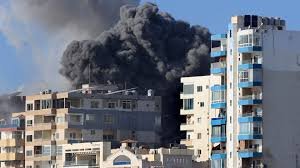
The moment a live broadcast is interrupted by the sound of an explosion, the distance between global audiences and war zones collapses instantly. That’s exactly what happened when a strike hit the southern Lebanese city of Tyre during a live report by Al Jazeera. The footage quickly spread across social media, raising urgent questions about safety, escalation, and the fragile line between reporting and survival.
This article unpacks the incident, its wider geopolitical context, and what it reveals about modern warfare and journalism.
What Happened in Tyre During the Live Broadcast?
During a live segment, a correspondent reporting from Tyre was forced to react in real time as a strike hit nearby. The blast was audible, the shock visible, and the tension unmistakable.
The incident involved a strike attributed to Israel targeting areas in southern Lebanon. While exact targets remain debated, the proximity to journalists amplified the global reaction.
Why Tyre Matters in the Israel-Lebanon Conflict
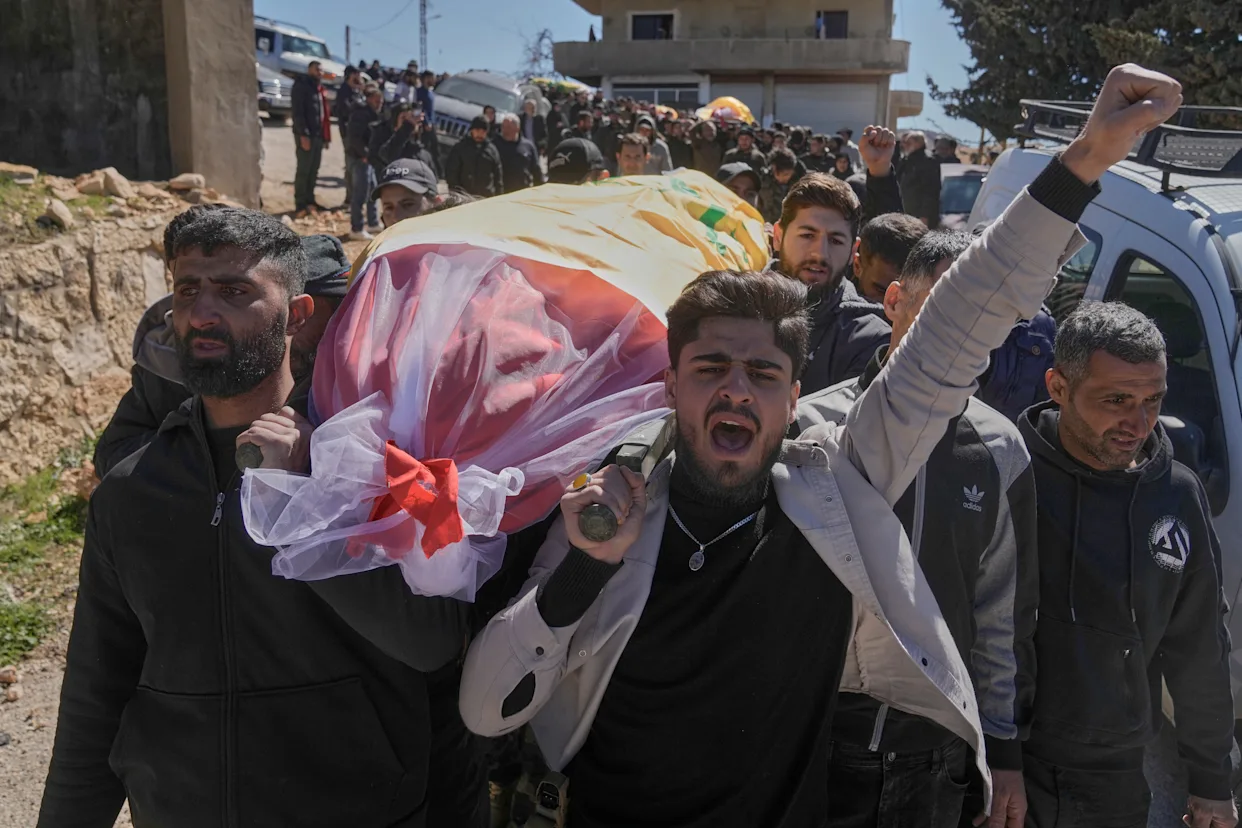
Tyre isn’t just another coastal city—it sits at the heart of southern Lebanon’s geopolitical tension. Historically, it has been a focal point during conflicts involving Israel and armed groups operating in the region.
Strategic Importance of Tyre
Tyre’s location near the Israeli border makes it strategically sensitive. Military activity, surveillance, and periodic clashes often concentrate in this region.
Civilian and Media Presence
Unlike remote conflict zones, Tyre has a dense civilian population and frequent international media coverage, making any strike there highly visible and controversial.
The Role of Al Jazeera in Conflict Reporting
For years, Al Jazeera has built a reputation for covering conflict zones with a strong on-ground presence. This incident reinforced both the risks and importance of such journalism.
Why Al Jazeera Was Reporting There
The network was covering escalating tensions in southern Lebanon, particularly involving Hezbollah and Israeli forces.
Risks Journalists Face in War Zones
War reporting isn’t just about storytelling—it’s survival. Journalists often operate in unpredictable environments with limited protection.
Timeline of the Incident
Understanding how events unfolded helps clarify the seriousness of the situation.
| Time (Approx) | Event Description |
|---|---|
| Live Broadcast Begins | Reporter discussing regional tensions |
| Sudden Explosion | Loud blast interrupts report |
| Immediate Reaction | Reporter and crew take cover |
| Broadcast Continues | Coverage resumes with heightened urgency |
What the Strike Signals About Escalation
This wasn’t just a random moment—it reflected growing instability in the region.
Increasing Tensions Between Israel and Hezbollah
Clashes between Israel and Hezbollah have intensified, with both sides engaging in cross-border actions.
Risk of Broader Conflict
Experts warn that continued strikes could escalate into a wider regional conflict involving multiple actors.
The Human Side of War Reporting
Watching a journalist react to danger in real time hits differently. It reminds us that behind every report is a human being.
A Personal Perspective
Many viewers described feeling a sudden jolt of reality—what was once “news” became immediate and personal. It’s the kind of moment that sticks.
Emotional Impact on Viewers
Seeing fear, urgency, and professionalism collide creates a powerful emotional connection with audiences worldwide.
Media Ethics and Responsibility
When broadcasting from conflict zones, ethical questions inevitably arise.
Should Journalists Be That Close to Danger?
Some argue that proximity increases authenticity. Others believe it unnecessarily risks lives.
Balancing Truth and Safety
Media organizations must constantly weigh the need for real-time reporting against the safety of their teams.
Pros and Cons of Live War Reporting
Pros
- Real-time information delivery
- Increased transparency
- Strong audience engagement
Cons
- High risk to journalists
- Potential misinformation during chaos
- Ethical concerns about exposure to danger
Comparison: Live Reporting vs Recorded Coverage
| Aspect | Live Reporting | Recorded Coverage |
|---|---|---|
| Speed | Instant | Delayed |
| Accuracy | Can vary | More verified |
| Risk Level | High | Moderate |
| Viewer Engagement | Very high | Moderate |
How Social Media Amplified the Incident
Within minutes, clips of the broadcast spread across platforms like X (Twitter), TikTok, and Facebook.
Viral Nature of Conflict Footage
The raw, unfiltered nature of the moment made it highly shareable and impactful.
Risks of Misinformation
As with any viral content, context can get lost, leading to confusion or misinterpretation.
Broader Geopolitical Context
This incident cannot be viewed in isolation—it’s part of a larger, complex conflict.
Israel-Lebanon Relations
Relations between Israel and Lebanon have been tense for decades, with periodic escalations.
Role of Regional Actors
Groups like Hezbollah and external influences such as Islamic Revolutionary Guard Corps play significant roles in shaping the conflict.
Safety Measures for Journalists in War Zones
Media organizations implement strict protocols, though risks remain.
Common Safety Practices
- Protective gear (helmets, vests)
- Secure communication channels
- Coordination with local authorities
- Emergency evacuation plans
People Also Ask (PAA)
What happened in Tyre during the Al Jazeera report?
A strike hit near the reporting location during a live broadcast, forcing journalists to react immediately while continuing coverage.
Why was Al Jazeera reporting from Tyre?
The network was covering escalating tensions in southern Lebanon involving Israel and Hezbollah.
Is Tyre a conflict zone?
Yes, due to its proximity to the Israeli border, Tyre often experiences heightened military activity.
Are journalists safe in war zones?
While safety measures exist, war reporting remains one of the most dangerous professions.
SEO-Focused Insights for Readers and Publishers
If you’re running a news or blog site like NewsDecode.site, this type of content is highly valuable for traffic and engagement.
High-Value Keywords Used
- Israeli strike Tyre
- Al Jazeera live report attack
- Israel Lebanon conflict news
- Hezbollah Israel tensions
Content Strategy Tips
- Focus on real-time news analysis
- Use structured headings
- Include tables and FAQs
- Maintain human storytelling tone
Internal & External Linking Suggestions
For better SEO performance:
- Internal: Link to related articles on Middle East conflicts or media ethics
- External: Reference credible sources like Al Jazeera or international news agencies
FAQ Section
Is Tyre safe for civilians right now?
Safety conditions fluctuate depending on military activity. Residents often face uncertainty during escalations.
What role does Hezbollah play in this conflict?
Hezbollah is a major political and militant force in Lebanon, often involved in confrontations with Israel.
Why are journalists targeted or affected?
Journalists are usually not direct targets, but their proximity to conflict zones puts them at risk.
How does this impact global politics?
Incidents like these can increase tensions and influence diplomatic relations worldwide.
Final Thoughts: When News Becomes Reality
There’s something deeply unsettling about watching a journalist duck for cover mid-sentence. It strips away the distance we often feel from global conflicts. Suddenly, it’s not just “news” anymore—it’s real, immediate, and human.
The strike in Tyre during an Al Jazeera report wasn’t just a moment of chaos—it was a reminder. A reminder of the risks journalists take, the volatility of the region, and the fragile line between reporting history and becoming part of it.
And maybe that’s why it stayed with so many people. Because for a few seconds, the world wasn’t watching the news—the world was inside it.